 By
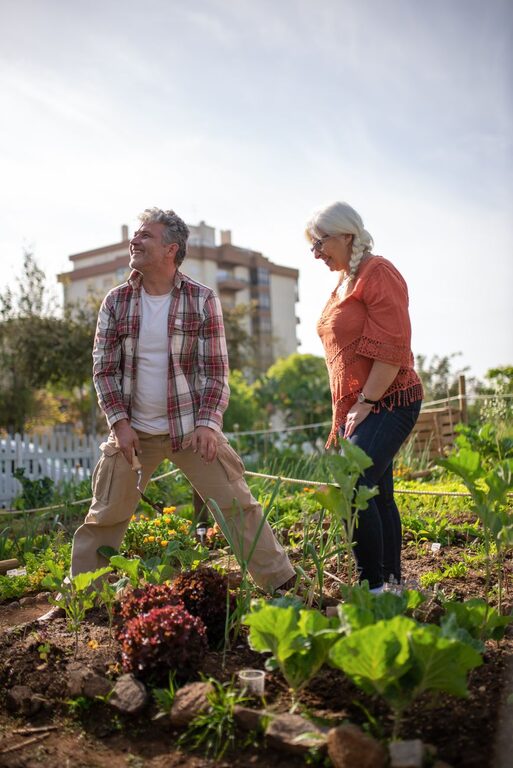
Community gardens are more than shared plots of soil. They are places where neighbors exchange knowledge, grow fresh produce, and find inspiration for everyday meals. In senior community gardens, years of cooking experience often meet new gardening ideas, creating a steady stream of simple and seasonal recipes.
Gardeners may arrive with a few favorite seeds, but they often leave with new ways to use tomatoes, greens, herbs, squash, beans, and other crops. A large harvest can lead to a recipe swap, while an unfamiliar vegetable may encourage someone to try a different cooking method. Over time, the garden becomes a source of both food and creativity.
Why Seasonal Ingredients Inspire Better Ideas
Seasonal produce has a natural way of guiding meal planning. When a garden is producing a large amount of one crop, gardeners begin looking for practical ways to enjoy it without repeating the same dish every day.
For example, a harvest of zucchini might become:
– Grilled zucchini slices
– A vegetable and herb frittata
– Zucchini ribbons with a light dressing
– A simple loaf made with grated zucchini
– A mixed vegetable soup
This approach makes cooking more flexible. Instead of starting with a fixed recipe and searching for every ingredient, gardeners can begin with what is available and build a meal around it.
Freshly picked produce can also encourage cooks to keep recipes uncomplicated. Garden vegetables often need little more than washing, chopping, and gentle cooking. A handful of herbs, a spoonful of oil, or a splash of vinegar may be enough to bring out the flavor.
Senior Gardeners Bring Valuable Cooking Traditions
Many older gardeners have learned recipes from parents, grandparents, neighbors, or local communities. These recipes often reflect practical cooking habits, such as using affordable ingredients, preserving extra produce, and making several meals from one harvest.
A gardener who grew up making tomato sauce may adapt that recipe with tomatoes from the community plot. Someone familiar with pickling may show others how to preserve cucumbers or green beans. Another gardener may remember a simple way to prepare leafy greens with onions and herbs.
These traditions are valuable because they are often easy to follow and adaptable. They may not rely on exact measurements or specialized equipment. Instead, they focus on observing the ingredients, tasting as the dish cooks, and adjusting the recipe as needed.
Community gardens give these food traditions a place to continue. They also make it possible for gardeners to combine different cooking styles. A familiar family dish may gain a new ingredient, while a traditional recipe may be simplified for a shared garden gathering.
Recipe Swaps Turn Harvests Into Conversation
Recipe swaps are one of the simplest ways a garden can inspire new meals. Gardeners can bring a handwritten recipe, a printed copy, or a prepared sample to share during a regular meeting.
A successful recipe swap might include:
- A description of the main garden ingredient
- A short list of common pantry items
- Basic preparation instructions
- Suggestions for substitutions
- Tips for storing leftovers or extra produce
For example, a gardener with an abundance of basil might share a basic herb sauce. Another person could suggest using the sauce with roasted vegetables, pasta, sandwiches, or grain bowls. One recipe can quickly lead to several meal ideas.
Recipe swaps can also help reduce food waste. When gardeners compare ideas, they may discover ways to use vegetable stems, leafy tops, soft fruit, or extra herbs before they spoil. Sharing storage suggestions can be just as useful as sharing recipes.
Simple Seasonal Recipes From the Garden
The best garden recipes are often flexible. They can change depending on what is ready to pick and what is available in the kitchen.
Garden Vegetable Frittata
A frittata is a practical way to use a small amount of several vegetables. Gardeners can combine chopped tomatoes, peppers, zucchini, onions, or greens with eggs and herbs. The vegetables can be cooked first, then combined with beaten eggs and finished gently in a skillet or baking dish.
This recipe works well for breakfast, lunch, or a light dinner. It can also be cut into portions for a shared gathering.
Fresh Tomato and Herb Salad
When tomatoes are at their peak, they may need very little preparation. Chopped tomatoes can be mixed with basil, parsley, or chives, then finished with a simple dressing. Cucumber, corn, or sliced onions can add texture and color.
This kind of salad is easy to adjust. Gardeners can use the herbs they have on hand and add beans, grains, or bread to make the dish more filling.
Roasted Seasonal Vegetables
Roasting brings out the natural flavor of many garden vegetables. Carrots, squash, peppers, onions, and potatoes can be cut into similar-sized pieces, tossed with oil and herbs, and cooked until tender.
A batch of roasted vegetables can serve as a side dish or become part of another meal. Leftovers can be added to soup, folded into an omelet, or served over rice.
Herb and Bean Soup
Fresh herbs can give a simple bean soup a bright flavor. Gardeners can use tomatoes, carrots, onions, greens, or squash, depending on the season. Canned or cooked beans provide a convenient base, while herbs add character without requiring a long ingredient list.
Soup is also a useful choice when a garden produces several different vegetables at once.
Gardening Encourages Resourceful Cooking
A community garden often teaches cooks to work with uncertainty. Weather, planting schedules, and harvest sizes can change from week to week. A gardener may expect a small crop and receive a large one, or plan to pick lettuce and find that herbs are ready instead.
This uncertainty encourages resourcefulness. Gardeners learn to ask:
– What is ready to use today?
– Which ingredients need attention first?
– Can this crop be eaten fresh, cooked, or preserved?
– What can be shared with neighbors?
– How can one prepared ingredient become part of another meal?
These questions support a more relaxed approach to cooking. Meals do not have to follow a strict plan to be enjoyable. A flexible recipe can make use of what is fresh while reducing unnecessary shopping.
Shared Meals Strengthen Garden Connections
Some community gardens host potlucks, tasting tables, or seasonal celebrations. These events give gardeners a chance to present dishes made with ingredients from their plots.
A shared meal can include a variety of preparations: a crisp salad, a warm vegetable dish, a fruit dessert, or a basket of fresh herbs for guests to take home. People can discuss how each dish was prepared and suggest ways to adapt it.
These gatherings also welcome gardeners who may not consider themselves experienced cooks. A person can contribute a simple dish, a basket of produce, or a family recipe. The focus is on participation and exchange rather than competition.
Passing Ideas to Future Gardeners
Senior community gardeners often serve as informal teachers. They can explain when to harvest, how to store delicate produce, and which ingredients work well together. These lessons may be shared with younger gardeners, families, volunteers, or local groups.
Recipe cards and garden newsletters can help preserve this knowledge. A garden might create a seasonal collection featuring recipes based on its most common crops. Such a collection can include notes about substitutions, preparation time, and ways to use leftovers.
By connecting gardening with cooking, senior community gardens show that fresh food does not require complicated techniques. A few well-grown ingredients, practical knowledge, and a willingness to experiment can inspire meals throughout the year. The result is a garden that feeds more than the body: it also supports creativity, connection, and the continued sharing of everyday food traditions.