 By
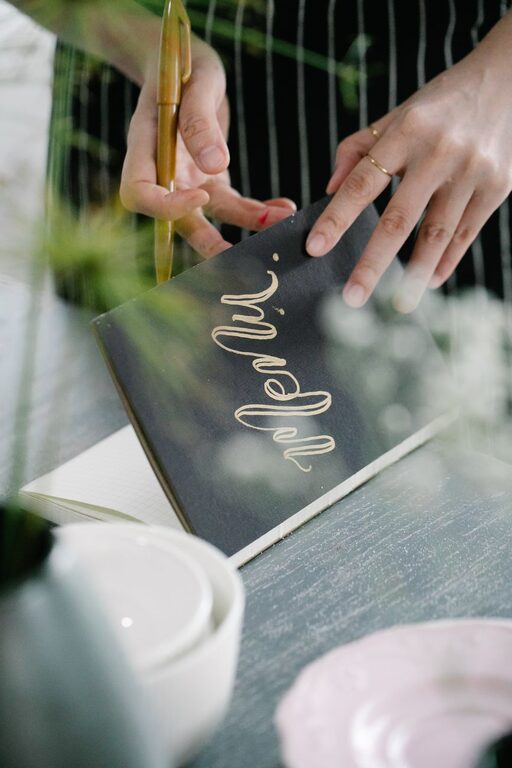
Dinner does not have to be a special event to feel special. With a little planning, an ordinary meal can become a creative project. Menu planning gives you a chance to explore flavors and presentation, while table setting lets you experiment with color, texture, and mood.
Together, these simple activities can turn dinner into a relaxing hobby. You do not need expensive dishes, advanced cooking skills, or a large dining room. A curious attitude and a willingness to try something new are enough.
Start With a Dinner Theme
A theme gives your dinner a clear direction. It can be inspired by a season, a place, a color, a favorite ingredient, or even a book or movie.
Try themes such as:
– A cozy soup night
– A garden-inspired dinner
– A breakfast-for-dinner menu
– A picnic indoors
– A color-based table setting
– A celebration of local ingredients
– A casual meal inspired by a favorite travel memory
A theme does not need to be complicated. For example, a “green dinner” might include a salad, a vegetable pasta, and green napkins or glassware. A weekend brunch theme could include pancakes, fruit, coffee, and cheerful plates.
The goal is not to create a perfect event. It is to give yourself a creative starting point.
Build a Balanced Menu
Menu planning becomes more enjoyable when you think about the meal as a whole instead of choosing dishes one at a time. Consider how the flavors, colors, textures, and preparation times work together.
A simple menu structure might include:
- A main dish
- One or two side dishes
- A small salad or vegetable
- A drink
- A simple dessert
Look for variety. If the main dish is rich, choose lighter sides. If one dish is soft, add something crisp. Bright vegetables, fresh herbs, toasted toppings, or a colorful dessert can make the meal feel more complete.
Plan Around One Ingredient
Choosing one ingredient as the focus can make menu planning feel like a creative challenge. Seasonal produce works especially well, but you can also choose an ingredient already in your kitchen.
For example, a tomato-focused menu might include:
– Tomato and herb salad
– Pasta with roasted tomatoes
– Toasted bread with tomato spread
– Fresh fruit with a tomato-free dessert for contrast
The ingredient does not need to appear in every dish. It simply provides a common thread.
Use a Flavor or Color Story
Another approach is to create a flavor story. A lemon-themed dinner could include lemon zest in a pasta dish, lemon water, and a dessert with a light citrus note. A warm, autumn-inspired menu might use roasted vegetables, herbs, apples, and cinnamon.
Color can also guide your choices. A table filled with red, gold, and orange foods can create a warm seasonal feeling. White, green, and pale yellow can feel fresh and bright.
Treat the Table as a Creative Canvas
Table setting is more than placing plates and forks. It is an opportunity to shape the mood of the meal. Think of the table as a blank canvas that can be changed for every dinner.
Begin with the basics:
– Plates and bowls
– Forks, knives, and spoons
– Drinking glasses
– Napkins
– A serving area for shared dishes
Once the basics are in place, add visual interest with a few thoughtful details. A folded napkin, a small vase, a wooden serving board, or a bowl of fruit can change the entire look.
Play With Color
Choose two or three main colors to keep the table looking coordinated. You might pair blue napkins with white plates and natural wood accents. For a spring meal, try soft green, yellow, and cream.
You do not need matching items. In fact, mixing colors and patterns can make the table feel more personal. Use one repeated element, such as a shared color or material, to help different pieces work together.
Add Texture
Texture makes a table setting more interesting. Combine smooth plates with woven placemats, linen napkins, glassware, or wooden utensils. Even a simple table can feel layered when several textures are used together.
Natural materials are especially useful. A few branches, leaves, flowers, or pinecones can become an easy centerpiece. Make sure decorations do not block conversation or take up too much serving space.
Create a Simple Centerpiece
A centerpiece should add atmosphere without becoming a problem during dinner. Keep it low enough for people to see across the table.
Good centerpiece ideas include:
– A row of small jars with flowers
– A bowl of seasonal fruit
– A few candles in simple holders
– A wooden board with herbs
– A small collection of potted plants
– A bowl filled with colorful vegetables
You can also skip the centerpiece and arrange shared dishes in an attractive way. A platter of roasted vegetables, a basket of bread, or a bowl of salad can become part of the table design.
Turn Planning Into a Relaxing Routine
A creative hobby becomes easier to maintain when it fits naturally into your schedule. Set aside a short amount of time each week to plan one dinner. Write down the menu, choose a table theme, and check what you already have at home.
Keep a notebook or digital file with:
– Menus you enjoyed
– Table setting ideas
– Favorite recipes
– Seasonal ingredients
– Notes about what you would change next time
Photographs can also help. Take a quick picture of a table setting or a finished dish. Over time, you will create a visual record of your ideas and notice which colors, arrangements, and recipes you enjoy most.
Make It Social or Keep It Personal
Dinner as a creative hobby can be shared with family and friends, but it can also be a personal practice. Setting the table for yourself can make a regular evening feel more intentional.
If you invite others, give them small ways to participate. One person might choose the music, another might arrange the napkins, and someone else might select a dessert. Children can fold napkins, place name cards, or help arrange flowers.
You can also create a friendly theme night where everyone brings a dish or suggests an ingredient. The focus is on experimenting and enjoying the process, not competing.
Embrace Imperfect Results
Not every menu will work perfectly, and not every table setting will look like a magazine photo. A dish may need more seasoning, a centerpiece may be too tall, or a color combination may look different than expected.
These moments are part of the hobby. Take note of what worked, adjust what did not, and try again. Creativity grows through small experiments.
The best dinner is often one that feels welcoming and reflects the people enjoying it. A carefully chosen napkin, a new side dish, or a bowl of flowers can be enough to make the evening memorable.
By combining menu planning with table setting, you turn a daily routine into an opportunity to create. Each meal becomes a small project, and every project offers a new way to explore food, design, and hospitality.