 By
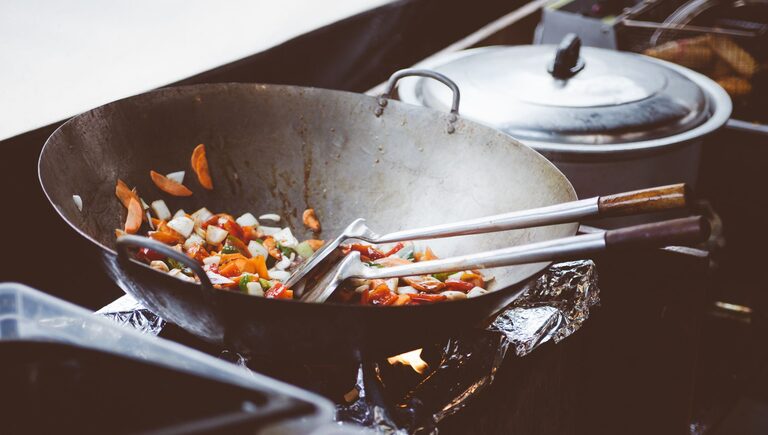
Leftovers do not have to feel like a repeat of yesterday’s dinner. With a few simple changes, extra ingredients can become an entirely new meal. Roasted vegetables can fill a sandwich, cooked grains can become crispy cakes, and leftover chicken can take on new life in tacos, soup, or a hearty salad.
The key is to look at leftovers as ingredients rather than finished dishes. Add a new sauce, change the texture, or combine them with fresh ingredients to create something that feels original. Here are creative, practical ways to turn common leftovers into satisfying new culinary creations.
Start With a Leftover Inventory
Before cooking, take a quick look through the refrigerator. Group what you find into a few useful categories:
– Proteins: Cooked chicken, beef, pork, fish, beans, eggs, or tofu
– Vegetables: Roasted, steamed, grilled, or sautéed vegetables
– Starches: Rice, pasta, potatoes, bread, quinoa, or grains
– Sauces and extras: Gravy, tomato sauce, salsa, dressings, cheese, and herbs
Once everything is organized, think about what each item could become. A small amount of meat may not be enough for a full dinner, but it can work well as a filling, topping, or ingredient in a larger dish.
Turn Leftover Proteins Into Fresh Fillings
Cooked protein is one of the easiest leftovers to transform. Shred, chop, or slice it before adding new flavors.
Build Tacos, Wraps, and Quesadillas
Shredded chicken, sliced steak, beans, or roasted vegetables can be tucked into tortillas with fresh toppings. Add shredded lettuce, chopped tomatoes, avocado, cheese, or a squeeze of lime. A new sauce can make the meal taste completely different.
For quesadillas, combine leftover protein with cheese and vegetables between two tortillas. Cook until golden and crisp, then serve with salsa, sour cream, or plain yogurt.
Make Savory Fritters
Chopped cooked meat, fish, vegetables, or grains can be mixed with an egg, breadcrumbs, and seasonings. Shape the mixture into small patties and cook them in a lightly oiled skillet until browned on both sides.
These fritters are useful for using small portions of several leftovers at once. Serve them with a salad, dipping sauce, or roasted vegetables.
Add Protein to Grain Bowls
Start with leftover rice, quinoa, couscous, or another grain. Add protein, fresh greens, crunchy vegetables, and a flavorful dressing. A spoonful of hummus, pesto, salsa, or a simple lemon dressing can bring the bowl together.
For extra texture, warm some ingredients while leaving others fresh. The contrast makes the meal more interesting.
Give Vegetables a Second Life
Leftover vegetables can add color, flavor, and nutrients to almost any dish. Their soft texture often makes them especially useful in fillings, sauces, and baked recipes.
Create a Frittata or Egg Bake
Whisk eggs with salt, pepper, cheese, and herbs, then fold in chopped leftover vegetables. Pour the mixture into an oven-safe skillet or baking dish and cook until set.
Good combinations include roasted peppers and onions, potatoes and spinach, or broccoli and cheddar. Serve a slice with toast for breakfast, lunch, or a simple dinner.
Blend Them Into Soup
Soft vegetables are ideal for blended soups. Warm them with broth, then blend until smooth. Add beans, lentils, cooked grains, or shredded chicken if you want a heartier meal.
You can also combine vegetables with leftover tomato sauce to create a quick tomato vegetable soup. A small amount of cream, coconut milk, or grated cheese can add richness.
Make a Colorful Pasta Sauce
Blend roasted carrots, squash, peppers, or tomatoes with olive oil, garlic, herbs, and a little pasta water. Toss the sauce with cooked pasta and finish with cheese or toasted breadcrumbs.
This approach is especially helpful when vegetables are too soft to serve on their own but still have plenty of flavor.
Reinvent Rice, Pasta, and Grains
Starches are versatile and can move from side dish to main course with a few additions.
Cook Crispy Fried Rice
Cold cooked rice works well for fried rice because it is less sticky. Sauté it with vegetables, scrambled egg, and a protein such as tofu or chicken. Add soy sauce, ginger, garlic, or another favorite seasoning.
For variety, use different flavor combinations. Try corn and black beans with lime, or peas and carrots with sesame oil.
Make Rice Cakes
Mix cooked rice with an egg, shredded cheese, chopped herbs, and vegetables. Form the mixture into patties and pan-fry until crisp. Rice cakes make a useful side dish or a light lunch when served with a salad.
Transform Pasta Into a Bake
Combine leftover pasta with sauce, vegetables, and cheese. Place the mixture in a baking dish and cook until hot and bubbling. Add breadcrumbs on top for a crisp finish.
You can change the character of the dish by switching sauces. Tomato sauce creates a classic bake, while pesto, cream sauce, or a blend of olive oil and garlic offers a different direction.
Use Bread Before It Goes Stale
Extra bread can become much more than toast.
Make Homemade Croutons
Cut bread into cubes, toss with olive oil and seasonings, and bake until crisp. Use the croutons on salads, soups, or grain bowls. Try garlic, Italian herbs, smoked paprika, or grated cheese for different flavors.
Prepare Breadcrumbs
Dry bread can be blended into breadcrumbs and stored for future recipes. Use them as a coating for vegetables, fish, chicken, or fritters. They can also be sprinkled over casseroles for a crunchy topping.
Build Open-Faced Toasts
Top slices of bread with leftover vegetables, beans, cooked meat, or cheese. Warm them in the oven or a skillet, then finish with fresh herbs, greens, or a drizzle of sauce.
This method turns small portions into a satisfying snack or quick meal.
Refresh Leftover Sauces and Gravies
Sauces can often become the starting point for a new dish. Leftover gravy can be diluted with broth and used as a soup base. Tomato sauce can be combined with beans and vegetables for a quick stew. Pesto can be stirred into pasta, spread on sandwiches, or mixed into scrambled eggs.
If a sauce is too thick, loosen it with water, broth, milk, or pasta water. If it tastes flat, add a small amount of acid, such as lemon juice or vinegar, along with fresh herbs or spices.
Make New Meals With Simple Flavor Changes
Sometimes the easiest transformation is changing the seasoning. The same cooked ingredients can taste very different when paired with a new flavor profile.
Try these combinations:
– Mediterranean: Lemon, garlic, olives, herbs, cucumber, and feta
– Southwestern-inspired: Salsa, beans, corn, lime, avocado, and chili
– Italian-inspired: Tomato, basil, mozzarella, oregano, and Parmesan
– Asian-inspired: Ginger, garlic, soy sauce, sesame, and green onions
– Comfort food: Gravy, cheese, mashed potatoes, herbs, and breadcrumbs
You do not need a completely new recipe. A different sauce, topping, or cooking method may be enough to make leftovers feel fresh.
Store Leftovers With the Next Meal in Mind
Thoughtful storage can make leftovers easier to reuse. Keep ingredients in separate containers when possible so they remain flexible. Store sauces apart from grains, and keep crunchy toppings separate from moist foods.
Label containers with the date and use refrigerated food promptly. When reheating, warm food thoroughly and add fresh ingredients afterward to improve texture and flavor.
Make Creativity Part of Your Routine
Leftovers are a chance to experiment without starting from scratch. Begin with one main ingredient, choose a new format, and add a fresh finishing touch. A bowl can become a wrap, a side dish can become a filling, and a small portion can become part of a larger meal.
With a little planning, leftover cooking can save time, reduce waste, and make everyday meals more enjoyable. The next time you open the refrigerator, look beyond what is already cooked. You may already have the ingredients for something completely new.