 By
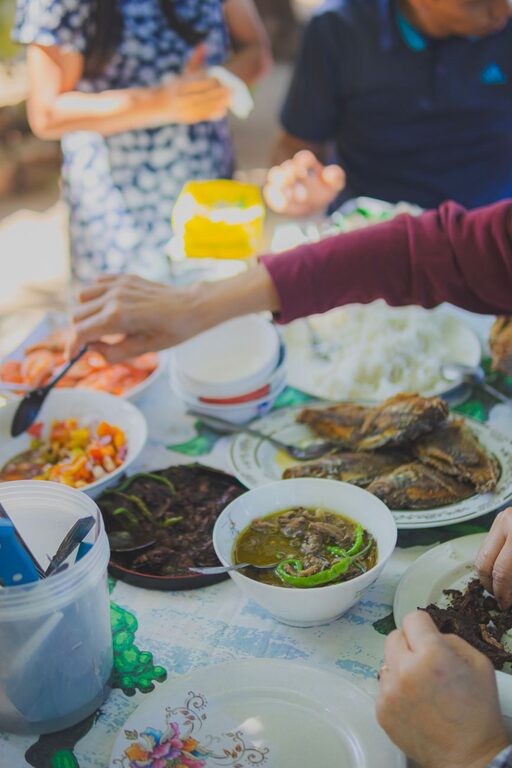
Food traditions often begin in ordinary kitchens. A grandmother teaches a child how to shape dumplings, neighbors compare pickling methods, or friends share a favorite soup during a cold season. Over time, these small acts of sharing become part of a community’s identity.
Community recipe exchanges give those traditions a place to grow. They may take the form of a neighborhood potluck, a library gathering, a school project, a farmers market activity, or a simple online group. Whatever the format, the goal is the same: bring people together to share recipes, memories, and practical knowledge.
What Is a Community Recipe Exchange?
A community recipe exchange is an organized or informal gathering where people share recipes with one another. Participants may bring printed recipe cards, prepared dishes, handwritten notes, cooking tips, or stories connected to a meal.
Some exchanges focus on a theme, such as:
– Seasonal produce
– Holiday baking
– One-pot meals
– Family breakfasts
– Regional specialties
– Recipes made with pantry staples
– Traditional preservation methods
The exchange does not need to be large or formal. A few neighbors meeting around a kitchen table can create a meaningful collection of recipes. A community center or local organization can also gather contributions and publish them in a shared cookbook.
Why Recipe Exchanges Matter
Recipes are more than lists of ingredients and instructions. They often carry details that cannot be found in a standard cookbook. A recipe may show how a community uses local crops, adapts to the seasons, or celebrates an important occasion.
They Preserve Family Knowledge
Many treasured recipes are passed down by memory rather than written measurements. A family member may know to add “a little more” flour or cook a dish “until it smells ready.” When recipes are recorded and shared, this knowledge becomes easier for younger generations to understand and continue.
Writing down a recipe also creates an opportunity to add context. Contributors can explain who taught them the dish, when it is usually served, and which steps are most important.
They Celebrate Local Ingredients
Community exchanges often highlight ingredients grown or produced nearby. Seasonal fruits, garden vegetables, grains, herbs, and dairy products can all inspire shared recipes.
This focus helps people notice the foods available in their area and discover new ways to prepare them. It may also encourage cooks to use ingredients at their freshest, when flavor and texture are often at their best.
They Connect People Across Generations
Cooking offers a natural way for different age groups to spend time together. Older participants can share methods they learned as children, while younger cooks may introduce new tools or presentation ideas.
These conversations help traditions remain active rather than becoming frozen in the past. A classic dish can be prepared in a familiar way while also being adjusted for current kitchens, schedules, and preferences.
The Stories Behind the Recipes
One of the most valuable parts of a recipe exchange is the story attached to each dish. A simple casserole may have been prepared for community gatherings for decades. A bread recipe may remind someone of weekend mornings with relatives. A soup may have been created from whatever vegetables were available.
Encouraging contributors to share these details makes a collection more personal. Consider adding a few questions to each recipe card:
– Who taught you this recipe?
– When is the dish usually served?
– Is it connected to a celebration or season?
– What ingredient or step should not be skipped?
– What memory does the dish bring to mind?
These questions help preserve the meaning behind the food, not just the cooking instructions.
How to Organize a Recipe Exchange
A successful exchange can be simple, welcoming, and easy to join. Start by choosing a location and a format that fits the community.
Choose a Comfortable Setting
Possible locations include:
– A community kitchen
– A public library meeting room
– A school classroom
– A neighborhood center
– A local market
– Someone’s home
Make sure the space has enough seating and room for displaying recipe cards or sample dishes. If food will be served, provide clearly labeled ingredients and consider basic food safety needs.
Set a Clear Theme
A theme gives participants a helpful starting point. It can be broad, such as “favorite family recipes,” or more specific, such as “recipes using autumn vegetables.”
A seasonal theme can be especially effective because it connects the exchange to ingredients people are currently buying or growing. Themes also make it easier to organize the final collection.
Invite Different Types of Contributions
Not everyone will want to cook a dish for the event. Offer several ways to participate, including:
– Bringing a written recipe
– Sharing a cooking tip
– Telling a food-related story
– Demonstrating a technique
– Contributing a photograph
– Helping type or organize recipes
– Recording an interview with a community member
Flexible options make the exchange more inclusive and allow people with different skills and schedules to take part.
Creating a Shared Community Cookbook
A cookbook can turn a single gathering into a lasting record. It may be printed, shared as a digital file, or displayed on a community website.
To organize the collection, group recipes into clear sections such as:
- Breakfasts
- Soups and main dishes
- Breads and baked goods
- Side dishes
- Preserves and sauces
- Desserts
- Drinks
Ask contributors to provide consistent information, including preparation time, cooking temperature, serving size, and ingredient amounts when possible. Editors should also check spelling, clarify unclear steps, and confirm that names are written correctly.
Adding short introductions or personal notes can give the cookbook warmth. A map, seasonal ingredient guide, or collection of local food photographs can make it even more engaging.
Keeping Traditions Active
Preserving a recipe does not mean preparing it exactly the same way forever. Traditions stay strong when people continue using them and making thoughtful adjustments.
A cook may adapt a recipe to fit available ingredients, a smaller kitchen, or a different cooking method. Another person may combine two family variations into a new version. These changes can add to the story of a dish rather than erase it.
The most important step is to keep sharing. A recipe written in a notebook is valuable, but a recipe prepared, discussed, and taught becomes part of living community knowledge.
A Simple Invitation to Begin
Starting a recipe exchange can be as easy as inviting a few neighbors to bring one favorite dish or recipe card. Ask each person to explain where the recipe came from and what makes it special.
Over time, those contributions can become a collection of flavors, memories, and skills. Community recipe exchanges remind us that local food traditions are built through everyday generosity. When people share what they know, familiar dishes continue to connect kitchens, families, and neighborhoods for years to come.