 By
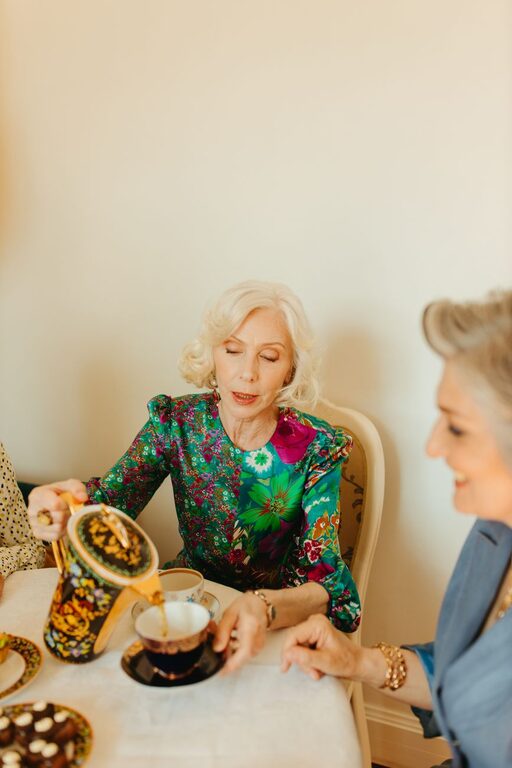
Tea tasting gatherings are becoming a popular activity in retirement communities. They offer residents a chance to sample different teas, learn something new, and enjoy relaxed conversation with neighbors and guests.
Unlike formal classes or large social events, tea tastings are usually easy to join and simple to organize. A small table, a selection of teas, hot water, and a few conversation prompts can create an inviting experience. The result is an activity that feels both special and familiar.
Why Tea Tastings Are Gaining Popularity
Several factors help explain the growing interest in tea tasting gatherings. Tea is widely recognized and available in many varieties, making it approachable for beginners. At the same time, its history, preparation methods, and flavors provide plenty of opportunities for discovery.
Tea tastings also fit well with the pace of community life. Events can be held in the afternoon, between other scheduled activities, or as part of a weekend gathering. They do not require strenuous activity, and participants can take part in a way that feels comfortable for them.
Most importantly, tea creates a natural setting for conversation. People can compare impressions, share memories, and talk about familiar traditions while enjoying a warm drink.
A Simple Introduction to Tea Tasting
A tea tasting does not need to be complicated. Organizers can begin with three to five varieties that are easy to tell apart. For example, a tasting might include:
– Black tea with a rich, full flavor
– Green tea with fresh, grassy notes
– Oolong tea with a smooth, layered taste
– Herbal tea made from flowers, fruit, or spices
– Decaffeinated tea for participants who prefer it
Each tea can be served in small cups so guests can sample several options without feeling overwhelmed. Labels should clearly identify the teas, and large-print descriptions can make the event easier to follow.
A host may introduce each tea by explaining its general flavor, origin, and common preparation style. Participants can then smell the dry leaves, observe the color of the brewed tea, and take a small sip.
Creating a Welcoming Atmosphere
The setting plays an important role in the success of a tea tasting. A quiet, comfortable room with good lighting can help participants focus on the experience and one another.
Simple touches can make the gathering feel more inviting:
– Use attractive but stable cups and teapots
– Place large-print labels near each tea
– Arrange tables so guests can easily talk
– Provide napkins, water, and small snacks
– Play soft background music if appropriate
– Keep the event length manageable
Decorations do not need to be elaborate. Fresh flowers, seasonal tablecloths, or a small display of tea tins can add interest without distracting from the gathering.
It is also helpful to have volunteers or staff available to pour tea, answer questions, and assist guests. This allows everyone to participate without having to manage the practical details.
Building Conversation Through Flavor
One of the most valuable parts of a tea tasting is the conversation it encourages. A host can offer simple questions to help guests compare their impressions:
– Which tea has the strongest aroma?
– Do you prefer a light or bold flavor?
– Which tea would you enjoy with breakfast?
– Does any tea remind you of a particular place or occasion?
– Which variety would you like to try again?
There are no right or wrong answers. Taste is personal, and different opinions make the activity more interesting. A participant who enjoys a familiar black tea may have a completely different preference from someone who likes floral or fruity blends.
These discussions can also bring out personal stories. Residents may remember tea served at family gatherings, trips, holidays, or community celebrations. Such memories help turn a simple tasting into a meaningful social event.
Adding Educational Elements
Tea tastings can include a light educational component without becoming a formal lecture. A short presentation might cover how tea leaves are processed or how brewing time affects flavor.
Organizers can also introduce the main categories of tea:
Black Tea
Black tea is fully oxidized, giving it a darker color and a bold flavor. It is often served with milk, lemon, honey, or sugar, although many people enjoy it plain.
Green Tea
Green tea is processed to preserve a lighter color and fresher taste. It may have grassy, vegetal, nutty, or slightly sweet notes.
Oolong Tea
Oolong tea falls between green and black tea in processing. Its flavor can range from floral and delicate to toasted and robust.
Herbal Infusions
Herbal infusions are made from ingredients such as mint, chamomile, hibiscus, ginger, or fruit. Because they are not made from traditional tea leaves, they are often grouped separately from true teas.
Learning these basic differences gives participants useful vocabulary and encourages curiosity. Some residents may even want to continue exploring tea independently after the event.
Making the Gathering Inclusive
A successful tea tasting should accommodate different preferences and needs. Offering caffeine-free choices is important, as is providing familiar beverages for guests who do not want to try tea.
Food pairings should also be selected thoughtfully. Small portions of crackers, fruit, cookies, or sandwiches can complement the tasting. Organizers should clearly identify common ingredients and consider dietary requirements when planning refreshments.
Accessibility matters as well. Tables should allow enough room for mobility devices, and printed materials should be easy to read. Teapots and cups should be manageable for participants with limited hand strength. Volunteers can pour servings when needed.
The goal is to create an event where everyone feels welcome, whether they are an experienced tea drinker or someone attending simply to socialize.
Ideas for Future Events
Once a community has held its first tasting, organizers can introduce new themes. Possible ideas include:
– Teas from different regions
– Seasonal tea blends
– Tea and dessert pairings
– Iced tea tasting in warmer months
– A comparison of loose-leaf and bagged tea
– A resident-led session featuring family traditions
– A tea and book discussion
– A garden-themed gathering with floral infusions
Residents can also help plan future events by voting on themes or suggesting teas they would like to try. Giving participants a role in the process can increase interest and create a stronger sense of ownership.
More Than a Beverage
Tea tasting gatherings are growing in retirement communities because they bring together several enjoyable elements: learning, conversation, hospitality, and routine. They are flexible enough for a small group but can also work as a larger community event.
A well-planned tasting does not depend on expensive equipment or expert knowledge. It begins with a welcoming invitation, a few thoughtfully chosen teas, and enough time for people to connect.
As more communities look for engaging, low-pressure activities, tea tastings offer a simple way to turn an ordinary afternoon into a shared experience. For many residents, the lasting appeal may not be the tea itself, but the stories, friendships, and sense of belonging that develop around the table.