 By
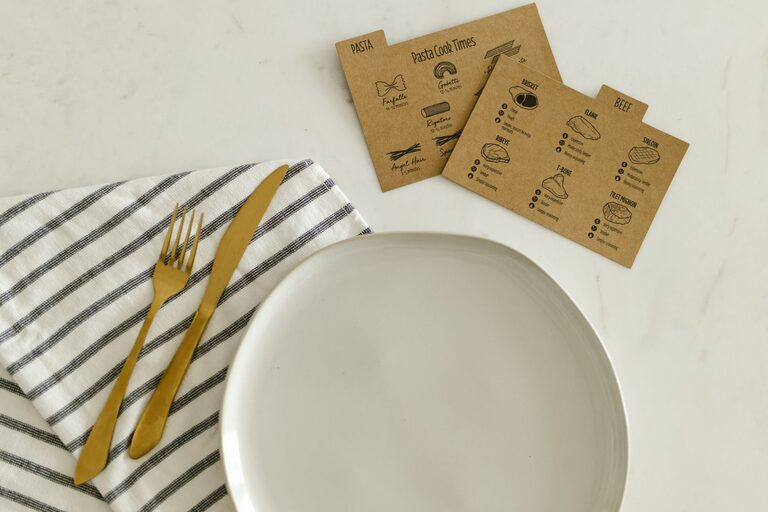
For years, home cooks have saved recipes on websites, apps, social media, and digital note-taking tools. These options are convenient, searchable, and easy to update. Yet alongside this digital convenience, an older kitchen tradition is making a quiet return: the handwritten recipe card.
Recipe cards are showing up in family kitchens, gift boxes, thrift stores, craft markets, and online collections. Some are carefully written on new cards, while others are faded, stained, and covered with notes from years of use. Their renewed popularity reflects more than a love of nostalgia. Many people appreciate the personal, practical, and creative value of keeping recipes on paper.
Why Recipe Cards Are Returning
Handwritten recipe cards offer something that digital recipes often cannot: a physical connection to the person who prepared the dish. A card may carry a familiar handwriting style, a quick reminder, or a note about when the recipe was served.
In a time when many daily activities happen on screens, paper can feel refreshing. Reading a card does not require a charged device, an internet connection, or a clean pair of hands for scrolling. It simply rests on the counter while dinner comes together.
Recipe cards also make cooking feel more personal. A typed recipe may tell you what to do, but a handwritten card can suggest how a particular cook approached the dish. Notes such as “add a little more cinnamon,” “best on a cold day,” or “Grandpa’s favorite” add meaning that goes beyond a list of ingredients.
More Than Instructions
A recipe card often becomes a small record of family history. It may bring together several generations through food and handwriting.
A card might include:
– A recipe copied from a relative
– A dish served at a holiday gathering
– A meal prepared for a new neighbor
– A handwritten adjustment made over many years
– A short story about where the recipe came from
– A child’s early attempt at writing or cooking
These details turn ordinary instructions into keepsakes. Even a simple recipe for soup, cookies, or pasta can become important because of the memories connected to it.
The card does not need to be old to have value. A newly written recipe can become meaningful over time, especially when it includes a personal message or a note about the occasion.
The Appeal of a Slower Kitchen
Handwritten recipes fit naturally with the growing interest in slower, more intentional home cooking. Writing a recipe by hand takes more time than copying a link, but that extra time can encourage people to pause and pay attention.
When someone writes a recipe, they often consider what matters most:
– Which ingredients should be highlighted
– What steps need extra explanation
– How much flexibility the cook has
– Which substitutions work well
– What timing details are easy to miss
This process can lead to a better understanding of the dish. Instead of simply following instructions, the cook becomes more involved in organizing and explaining the recipe.
The same is true when preparing food. A card placed beside a mixing bowl or cutting board creates a simple, screen-free cooking experience. It may help the kitchen feel less rushed and more focused.
Recipe Cards as Personal Design
The return of handwritten recipe cards is also connected to the popularity of creative paper goods. Today’s cards come in many styles, from simple index cards to colorful sets designed for display.
Some home cooks prefer:
– Plain cards with plenty of writing space
– Vintage-inspired designs
– Cards with sections for ingredients and instructions
– Waterproof or wipeable cards
– Handmade cards decorated with drawings or stickers
– Matching cards for a personal recipe collection
The design can reflect the cook’s personality. A neat, carefully organized card may appeal to someone who enjoys structure, while a casual card filled with arrows and additions can show how a recipe developed over time.
There is no single correct format. The most useful card is one that is easy to read and practical to use.
How to Create a Useful Recipe Card
A handwritten recipe does not need to look perfect. Clarity matters more than decoration. Start with the information another cook would need to prepare the dish successfully.
A helpful recipe card usually includes:
- **The recipe name**
Choose a clear title, such as “Apple Oat Muffins” or “Weeknight Vegetable Soup.”
- **Preparation details**
Include the number of servings, approximate prep time, and cooking time when possible.
- **Ingredients**
List ingredients in the order they are used. Include measurements that are easy to understand.
- **Instructions**
Use short steps and explain important details, such as oven temperature, pan size, or texture.
- **Personal notes**
Add useful suggestions, substitutions, or reminders about storage and serving.
- **The source or date**
Note who shared the recipe or when it was first written. This can become valuable later.
Writing clearly is especially important when the card will be given as a gift. A quick test is to ask someone else to read it and explain how they would prepare the recipe.
Sharing Recipes in a More Personal Way
A handwritten recipe card makes a thoughtful gift because it combines usefulness with personal effort. It can be included with a baking dish, a set of kitchen towels, a jar of homemade seasoning, or a basket of ingredients.
Recipe cards are suitable for many occasions, including:
– Housewarming gifts
– Wedding or anniversary celebrations
– Birthday packages
– Holiday exchanges
– Graduation gifts
– Family reunions
– Community cooking events
For a more meaningful collection, several people can contribute cards to one box or binder. Each person might write a favorite recipe and add a short memory. Over time, the collection becomes a shared cookbook created by the people who matter most.
Keeping Paper Recipes Organized
A growing card collection can quickly become difficult to manage. A simple organization system helps protect recipes and makes them easier to find.
Consider sorting cards by category, such as:
– Breakfast
– Main dishes
– Side dishes
– Baking
– Desserts
– Drinks
– Holiday recipes
Recipe boxes, binders, photo albums with pockets, and small file organizers can all work well. Protective sleeves are useful for cards that are especially important or fragile.
It is also wise to make a digital backup of treasured recipes. A clear photograph or scan can preserve the information if the original is damaged. The digital copy does not replace the card; it simply provides extra protection.
The Best of Both Worlds
Handwritten recipe cards do not have to compete with digital tools. Many home cooks use both. A printed or handwritten card can provide a comfortable cooking experience, while a digital file can make it easier to search, share, or store a backup.
For example, a cook might:
– Write a family recipe on a card
– Photograph it for safekeeping
– Add the recipe to a digital collection
– Update the card after testing it
– Share handwritten copies with relatives or friends
This combination preserves the warmth of paper while keeping the convenience of modern technology.
A Small Tradition with Lasting Value
The return of handwritten recipe cards shows that older traditions can fit comfortably into modern life. These cards are practical tools, creative projects, gifts, and records of shared experiences.
A recipe card does not need elegant handwriting or professional design to matter. It only needs to connect a person with a dish, a memory, or another cook. In a busy kitchen, that small piece of paper can make food preparation feel more thoughtful and personal.
Whether you are recording a long-standing family favorite or writing down your own latest creation, a handwritten recipe card offers a simple way to keep cooking stories alive.