 By
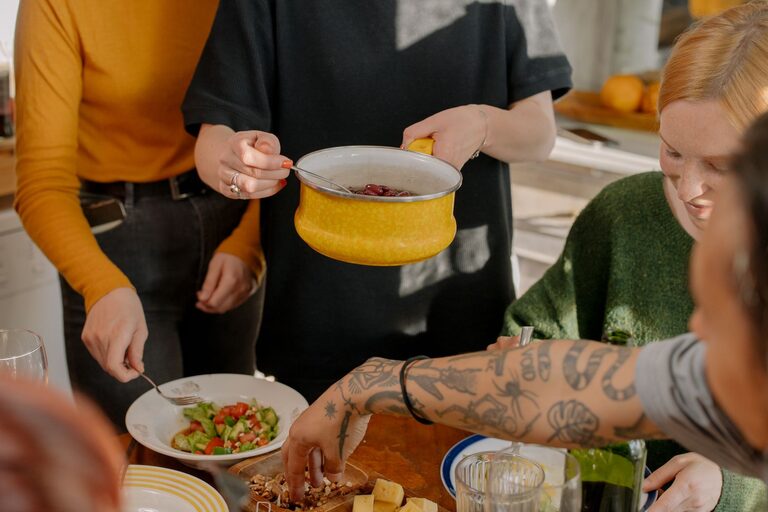
In many neighborhoods, friendships begin in unexpected places. A local cooking club may start with a simple idea—share recipes, prepare a meal, and enjoy good conversation—but it can quickly become a welcoming space where people connect. Members learn new skills, discover different foods, and create relationships around the comfort of a shared table.
Unlike formal classes, cooking clubs often feel relaxed and personal. Participants may meet in a community kitchen, a library, a recreation center, or someone’s home. The setting matters less than the shared experience: everyone contributes, everyone learns, and no one has to cook alone.
Why Cooking Clubs Make It Easy to Connect
Starting a conversation with someone new can feel difficult. Cooking provides a natural way to break the ice because there is always something to discuss. Members can talk about ingredients, family traditions, favorite restaurants, or the meal they are preparing.
Working side by side also removes some of the pressure that comes with face-to-face introductions. Instead of focusing only on conversation, people have a task to share. Chopping vegetables, mixing dough, or setting the table creates simple moments for connection.
Cooking clubs are also welcoming to people with different levels of experience. A skilled cook can demonstrate a technique, while a beginner can ask questions and try something new. Everyone has a useful role, whether they are preparing ingredients, organizing supplies, or cleaning up after the meal.
Shared Meals Create Shared Memories
Preparing food together is only part of the experience. Sitting down to eat gives members time to slow down and enjoy the results of their work. A shared meal can create memories that last long after the dishes are washed.
Many clubs make each gathering feel special by choosing a theme. One meeting might focus on homemade pasta, while another could feature seasonal produce, family breakfast recipes, or comfort food from different regions. These themes give members a reason to return and provide plenty of conversation starters.
The meal itself does not have to be perfect. In fact, small mistakes often become some of the most memorable moments. A sauce that needs extra seasoning or a cake that does not rise can lead to laughter, helpful suggestions, and stories that members remember at future gatherings.
Different Types of Local Cooking Clubs
Cooking clubs can take many forms, which makes it easier for people to find a group that fits their interests and schedule. Common formats include:
- Recipe exchange clubs: Members bring a favorite recipe and prepare it together or share samples.
- Hands-on cooking groups: Participants learn a specific skill, such as bread making, grilling, or decorating desserts.
- Community potluck clubs: Each person brings a dish, creating a varied meal with little preparation required from one host.
- Seasonal cooking clubs: Meetings focus on ingredients that are fresh and available during a particular time of year.
- Family cooking groups: Adults and children work together on simple recipes and enjoy an activity that includes everyone.
- Budget-friendly meal clubs: Members share practical ways to prepare tasty meals with common ingredients.
Some clubs meet every week, while others gather once a month. A regular schedule helps members build familiarity, but even occasional events can lead to meaningful friendships.
How Friendships Grow Over Time
New connections often develop gradually. At the first meeting, members may only exchange names and discuss the recipe. After several gatherings, they begin to recognize one another’s cooking styles, preferences, and personalities.
Repeated activities create a sense of comfort. People may start arriving early to chat, exchanging messages between meetings, or sharing recipes online. Over time, the cooking club can become part of a member’s social routine.
Friendships can also grow beyond the kitchen. Members may organize visits to local markets, attend food festivals, start a garden project, or plan informal dinners. The original cooking activity becomes a foundation for other shared interests.
Making a Cooking Club Welcoming to Everyone
A friendly atmosphere does not happen by accident. Club organizers can take a few simple steps to help new members feel included from the beginning.
Keep the first meeting simple
Choose a recipe with manageable steps and familiar ingredients. A complicated menu may make beginners feel uncomfortable, while a simple dish allows more time for conversation and learning.
Share responsibilities
Give each person a clear, useful task. One member might prepare vegetables, another could measure ingredients, and someone else could arrange the table. Shared responsibilities help everyone feel involved.
Welcome different skill levels
Make it clear that the club is about participation, not competition. Avoid assuming that everyone knows cooking terms or techniques. Encouraging questions creates a more relaxed environment.
Consider food preferences
Before planning a meal, ask members about allergies, dietary preferences, and ingredients they avoid. Offering a few flexible options helps more people enjoy the gathering comfortably.
Make room for conversation
Do not fill every moment with instructions. Allow time for members to introduce themselves, talk about the recipe, and share their own ideas. Conversation is an important part of the club’s purpose.
Starting a Local Cooking Club
Creating a cooking club does not require a large budget or a professional kitchen. Begin with a small group of interested neighbors, coworkers, friends, or community members. A group of four to eight people is often large enough for variety while remaining easy to organize.
Choose a convenient location and decide how often to meet. If cooking space is limited, consider a recipe swap or potluck instead of preparing every dish in one place. Members can also take turns hosting, provided the group is comfortable with that arrangement.
It helps to agree on a few basic guidelines, such as how ingredients will be purchased, how costs will be shared, and who will handle cleanup. Clear expectations keep the focus on enjoying the activity together.
To find members, share an invitation through a neighborhood bulletin board, community center, local email group, or social media page. A short description of the club’s purpose, meeting schedule, and cooking theme can help people decide whether it is a good fit.
More Than a Meal
Local cooking clubs show how ordinary activities can create strong community ties. Preparing food together gives people a reason to meet, a task to share, and a comfortable setting for conversation. It also encourages generosity, curiosity, and cooperation.
Whether the group prepares a family recipe, tries a new technique, or simply enjoys a potluck dinner, the real result is often found beyond the plate. Each gathering offers a chance to meet someone new, learn from others, and build friendships one shared meal at a time.