 By
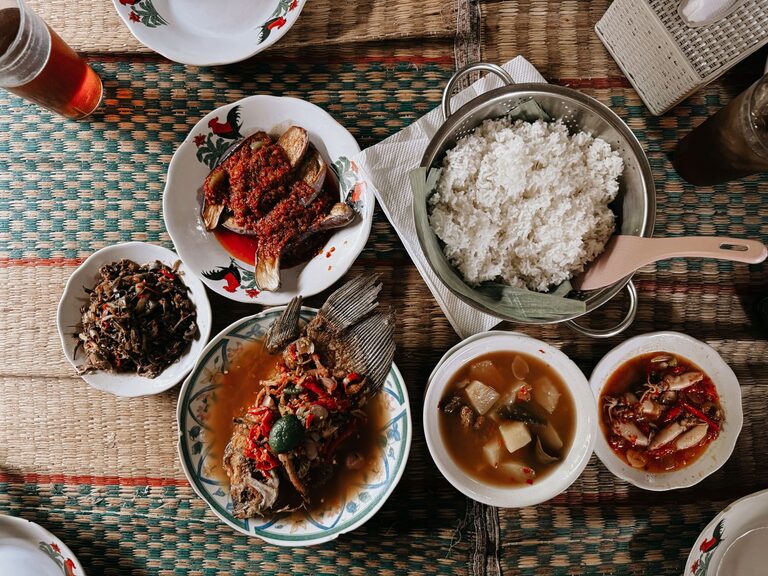
Exploring regional cuisines does not require a plane ticket or a long list of hard-to-find ingredients. A free weekend can offer enough time to learn about a new food tradition, prepare a few dishes, and enjoy a meal with family or friends.
Weekend cooking projects are especially useful because they turn everyday cooking into a small creative adventure. Instead of making one quick recipe, you can explore how several dishes work together, try a traditional technique, or prepare an ingredient from scratch.
Start With One Region
The easiest way to begin is to choose one region and build your project around it. You might explore the coastal flavors of southern Italy, the comforting dishes of Mexico, the spice blends of Morocco, or the fresh herbs and noodles found in Vietnamese cooking.
Choosing one region gives your project direction. It also helps you avoid buying a wide range of unrelated ingredients.
Look Beyond a Single Famous Dish
A regional cuisine is usually more than one well-known recipe. Try to learn about several parts of the food tradition, such as:
– Common grains, noodles, or breads
– Popular vegetables and fruits
– Typical herbs and spices
– Everyday sauces or condiments
– Traditional cooking methods
– Foods often served together
For example, if you choose a Mediterranean theme, you might prepare a grain dish, a vegetable side, a simple dip, and a fruit-based dessert. This creates a fuller picture than making one dish on its own.
Create a Simple Cooking Plan
A little planning makes a weekend project more enjoyable. Choose two or three recipes that share ingredients or use different techniques. This keeps the shopping list manageable while giving you enough variety.
Before you shop, write down:
- The dishes you want to prepare
- Ingredients needed for each dish
- Items you may already have
- How long each recipe will take
- Which steps can be done in advance
Try to include one recipe you know you can complete comfortably. You can then use the other dishes to practice something new.
For example, a weekend project might include a familiar roasted vegetable dish, a homemade sauce, and a new type of flatbread. If the bread takes longer than expected, you will still have a satisfying meal.
Make a Regional Staple From Scratch
One of the best ways to understand a cuisine is to prepare a staple by hand. Homemade staples often reveal how a few basic ingredients can become the foundation of many meals.
Try Bread and Flatbreads
Flatbreads are a good starting point because many require only flour, water, salt, and sometimes yeast or oil. The method may involve kneading, resting, rolling, or cooking on a hot surface.
You can explore:
– Indian naan or roti
– Mexican corn tortillas
– Middle Eastern pita
– Italian focaccia
– French-style country bread
Pay attention to texture and cooking time. A soft flatbread may be ideal for wrapping vegetables, while a crisp bread may work better for dipping into soup or sauce.
Prepare Fresh Pasta or Dumplings
If you enjoy hands-on projects, try making pasta or dumplings. The shapes and fillings can introduce you to different regional traditions while giving you a practical kitchen skill.
Set aside enough time for shaping and cooking. These projects are often more enjoyable when treated as a relaxed activity rather than a race to finish dinner.
Build a Flavor Base
Many regional dishes begin with a small group of ingredients that creates the foundation of the meal. Learning this flavor base can help you understand why dishes from the same region often taste connected.
A flavor base might include:
– Onion, garlic, and herbs
– Ginger, scallions, and soy sauce
– Tomatoes, peppers, and olive oil
– Spices toasted in oil
– Citrus, chilies, and fresh herbs
Choose one sauce, paste, or seasoning blend to make from scratch. A simple salsa, herb sauce, curry paste, or spice blend can be used across several dishes.
Make a Small Batch
You do not need to prepare a large quantity. A small batch is easier to taste, adjust, and store. It also lets you compare the homemade version with a prepared product if you have one available.
As you work, notice how the ingredients change. Toasting spices may bring out their aroma, while adding an acidic ingredient such as lemon juice or vinegar can brighten the finished dish.
Plan a Themed Meal
A themed meal turns your cooking project into a complete experience. It does not have to be elaborate. Three or four simple components are often enough.
A balanced menu could include:
– A small starter or snack
– A main dish
– One vegetable or grain side
– A simple dessert or drink
Try to choose recipes with different textures and colors. A warm stew can be paired with a crisp salad, while a rich main course may work well with fresh fruit or a light vegetable dish.
You can also organize the meal around a single ingredient. For example, a weekend project focused on tomatoes might include a fresh salad, a cooked sauce, a tomato-based main dish, and a simple preserved or roasted topping.
Explore Through a Tasting Menu
If you want to sample several flavors without cooking full-size dishes, create a small tasting menu. This works well for snacks, sauces, breads, or desserts.
Prepare three or four small portions and compare them side by side. You might taste different:
– Regional spice blends
– Types of pickled vegetables
– Homemade dips
– Cooking methods for the same ingredient
– Styles of bread or rice
Keep the portions modest so the tasting remains manageable. Write down what you notice, including texture, aroma, sweetness, saltiness, and heat. This simple record can help you decide which recipes you want to make again.
Use Accessible Ingredients
Regional cooking projects should be welcoming, not stressful. If a traditional ingredient is unavailable, look for a similar option with a comparable purpose.
For example, you might replace:
– A hard-to-find leafy herb with another fresh herb
– A regional bean with a similar local variety
– A specialty grain with rice, barley, or another familiar grain
– A specific chili with a milder pepper
These substitutions may change the final flavor, but they can still help you learn the basic structure of the dish. When possible, visit an international market or specialty grocery store to find authentic ingredients and discover new products.
Invite Others to Join
Cooking is often more enjoyable when shared. Invite friends or family to help with shopping, chopping, shaping, or tasting. Assign each person one manageable task so the project feels collaborative.
You could also create a rotating weekend cooking club. Each person chooses a region, prepares a small menu, and shares a few facts about the dishes. This turns a single cooking project into an ongoing way to explore food traditions.
Remember to ask guests about allergies, dietary preferences, and ingredient dislikes before planning the menu.
Make Time to Reflect
After the meal, take a few minutes to think about what you learned. Consider which technique was easiest, which ingredient was most interesting, and what you would change next time.
Save successful recipes in a notebook or digital folder. Add notes about substitutions, cooking times, and serving ideas. Over time, you will build a personal collection of regional dishes that you can revisit and improve.
A weekend cooking project does not need to be perfect or complicated. Choose one region, prepare a few connected dishes, and focus on enjoying the process. With a little curiosity and planning, your kitchen can become a simple way to explore flavors from around the world.