 By
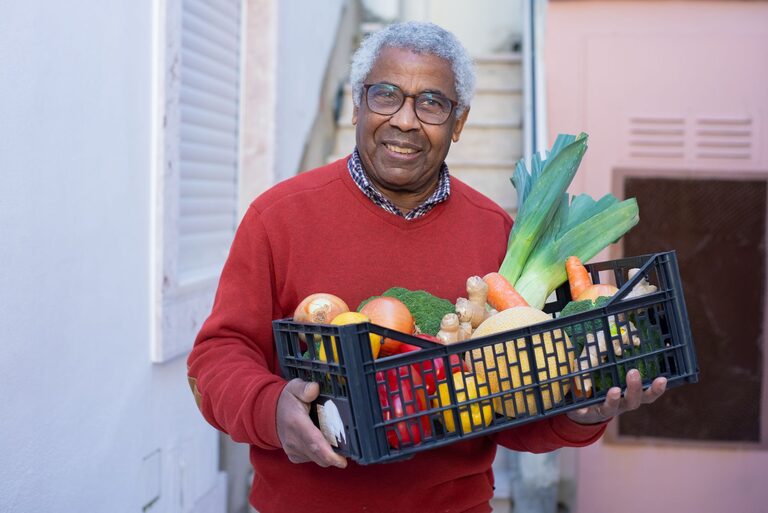
Farmers markets can make everyday cooking feel more connected, creative, and manageable. Instead of starting with a recipe and searching for every ingredient, older home cooks can begin with what looks fresh at a nearby market. A basket of tomatoes, a bunch of herbs, or a pile of sweet potatoes can inspire the week’s meals.
This market-first approach also makes seasonal cooking easier. Produce is often at its best when it is naturally available, and familiar ingredients can be prepared in simple ways. For home cooks who enjoy traditional meals but want more variety, farmers markets offer a practical source of ideas.
Why Farmers Markets Work Well for Seasonal Cooking
Seasonal menus are based on ingredients that are harvested during a particular time of year. In spring, shoppers may find peas, asparagus, greens, and strawberries. Summer often brings tomatoes, corn, peaches, squash, and fresh herbs. Fall markets may feature apples, pumpkins, root vegetables, and hearty greens.
Buying what is in season has several advantages:
– Ingredients are often fresher and more flavorful.
– Menus change naturally throughout the year.
– Familiar recipes can take on new variations.
– Shopping can become a source of cooking inspiration.
– A smaller selection can make meal planning less overwhelming.
For older home cooks, these benefits can support a relaxed approach to planning. There is no need to build a complicated menu months in advance. Instead, a visit to the market can guide a few meals for the coming days.
Starting With a Simple Market Plan
A successful market trip does not require a long shopping list. A short plan can provide structure while leaving room for discovery.
Before heading out, consider choosing three categories:
- **One main vegetable:** This could be cabbage, green beans, winter squash, or eggplant.
- **One fruit:** Apples, berries, peaches, or pears can work in desserts, breakfasts, or salads.
- **One flavor booster:** Fresh herbs, garlic, onions, or a small jar of local preserves can add variety.
From there, shoppers can add pantry staples already at home, such as rice, pasta, beans, flour, or canned tomatoes. This creates a foundation for several meals without requiring every ingredient to be purchased at the market.
It can also help to think in terms of flexible meal types rather than exact recipes. For example, a basket of vegetables might become a soup, a roasted side dish, a pasta topping, or a filling for an omelet.
Building Menus Around One Key Ingredient
One of the easiest ways to use a farmers market purchase is to feature one ingredient in several different meals. This approach helps reduce waste and keeps cooking simple.
Summer Example: Fresh Tomatoes
A basket of ripe tomatoes could be used in several ways:
– Sliced with bread, cheese, and fresh basil
– Chopped into a simple pasta sauce
– Added to a bean or grain salad
– Roasted with onions and garlic
– Cooked into a soup for later in the week
Each preparation feels different, even though the main ingredient stays the same. Older home cooks who prepare meals for one or two people may find this especially useful because a large market purchase can be enjoyed gradually.
Fall Example: Root Vegetables
Carrots, beets, parsnips, and sweet potatoes are also flexible. They can be roasted, added to soups, mashed as a side dish, or combined with grains. A few cooked vegetables can serve as the starting point for several meals.
When planning this way, it is helpful to prepare only what is likely to be used soon. A small batch can be more practical than cooking a large amount that may lose its appeal.
Choosing Recipes That Match the Market
Farmers markets often encourage cooks to adjust recipes rather than follow them exactly. If a recipe calls for spinach but the market has kale, the greens may be swapped. If fresh green beans are available instead of broccoli, the cooking method can stay the same while the ingredient changes.
Look for recipes with simple structures, including:
– Soups and stews
– Grain or bean salads
– Roasted vegetable dishes
– Frittatas and omelets
– Pasta with vegetables
– Fruit crisps and simple cakes
– Sandwiches and open-faced toasts
These formats are flexible and can accommodate whatever is freshest. They also make it easier to cook without measuring every ingredient precisely.
A basic vegetable soup, for example, can include onions, carrots, greens, beans, or squash. The seasonings can change from one batch to another. A few herbs may create a fresh spring flavor, while warming spices can make the same style of soup feel right for fall.
Making the Most of Conversations With Vendors
Farmers market vendors can be a valuable source of practical cooking information. They often know which items are ready to eat, which will keep for several days, and how customers commonly prepare them.
Useful questions include:
– What is especially good this week?
– How should this be stored?
– Is it ready to eat now?
– What is a simple way to cook it?
– How long will it stay fresh?
– Can the leaves or stems be used?
These conversations can help older home cooks feel more confident when trying an unfamiliar vegetable or fruit. A brief suggestion from a grower may be more useful than a long recipe search.
It is also fine to buy small quantities when trying something new. A single squash, a small bunch of greens, or a few pieces of fruit can provide a low-pressure introduction.
Using Simple Cooking Techniques
Seasonal ingredients do not always need elaborate preparation. Straightforward techniques often allow their natural flavors to stand out.
Roasting
Roasting works well for carrots, squash, potatoes, onions, cauliflower, and many other vegetables. Cut the produce into similar-sized pieces, season it simply, and cook until tender.
Sautéing
A skillet can quickly prepare greens, zucchini, mushrooms, peppers, and onions. A little garlic, lemon, or fresh herb can finish the dish.
Simmering
Soups, beans, and fruit sauces can be made with gentle simmering. This method is useful when several market ingredients need to be combined into one comforting dish.
Serving Fresh
Some produce needs very little cooking. Tomatoes, berries, cucumbers, peaches, and herbs can be served fresh in salads, on toast, or alongside a simple main dish.
Planning for Small Households
Many older home cooks prepare meals for themselves or one other person. Farmers markets can support this style of cooking, but it helps to shop thoughtfully.
Consider these strategies:
– Buy a few ingredients that can be combined in different ways.
– Choose produce at different stages of ripeness.
– Cook sturdy vegetables first and save delicate items for later.
– Freeze extra fruit or cooked vegetables when practical.
– Share an abundant purchase with a neighbor or friend.
– Keep a short list of easy meals for busy days.
A small market basket can become a three-day plan: a fresh meal on the first day, leftovers or a new combination on the second, and a soup, casserole, or grain bowl on the third.
Creating a Personal Seasonal Routine
Over time, regular market visits can become a simple seasonal routine. Each visit may offer a chance to notice what has changed since the previous week. Early greens give way to summer produce, followed by apples, squash, and other fall ingredients.
Keeping a small notebook can make this process even more useful. Write down:
– Ingredients purchased
– Meals prepared
– Favorite combinations
– Storage notes
– Recipes worth repeating
This record can become a personal seasonal cookbook. It does not need to be polished or complete. A few notes, such as “roast pears with oats” or “add beans to tomato soup,” may be enough to spark ideas later.
A Fresh Way to Think About Everyday Meals
Farmers markets shape seasonal menus by changing the starting point of meal planning. Instead of asking, “What recipe should I make?” older home cooks can ask, “What looks good today, and how can I use it?”
That question encourages flexibility without requiring complicated cooking. It supports familiar dishes, introduces occasional new ingredients, and makes each season feel distinct. With a small plan, a few reliable techniques, and an open mind, a farmers market can become a steady source of fresh ideas for the home kitchen.