 By
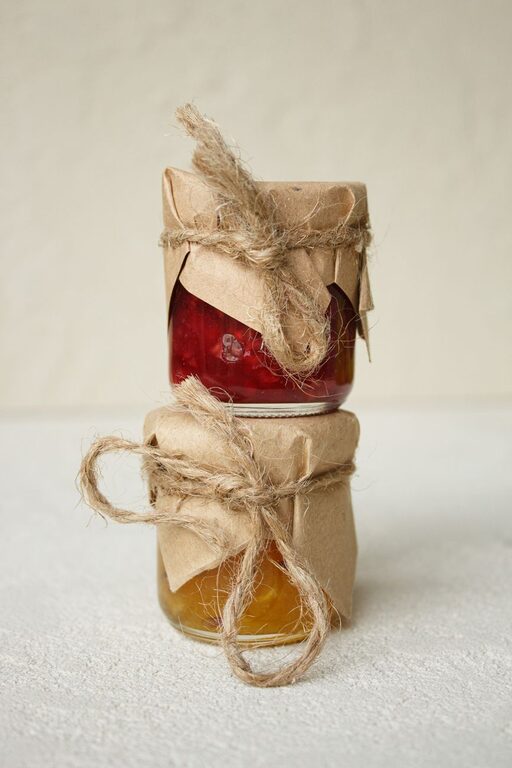
Small batch preserving is gaining popularity as people look for creative hobbies that are practical, relaxing, and rewarding. Instead of preparing large quantities for long-term storage, small batch cooks work with a manageable amount of fruit, vegetables, herbs, or other ingredients.
A few jars of strawberry jam, a small batch of refrigerator pickles, or a homemade chutney can turn an ordinary afternoon into a hands-on creative project. The results are useful, easy to share, and often more personal than something purchased from a store.
What Is Small Batch Preserving?
Small batch preserving involves preparing limited quantities of food for enjoyment over the coming days, weeks, or months. The focus is often on flexibility rather than producing a full shelf of jars.
Common small batch projects include:
– Fruit jams and jellies
– Refrigerator pickles
– Fruit compotes
– Chutneys and relishes
– Dried herbs
– Flavored vinegars
– Freezer sauces
– Preserved lemons
– Homemade fruit butters
The method used depends on the food and how long it needs to last. Some projects are designed for the refrigerator or freezer, while others use approved canning methods for shelf-stable storage.
This smaller approach can feel less intimidating than traditional preserving. There is no need to buy a large quantity of produce or commit an entire weekend to the process. A single basket of berries or a few pounds of cucumbers can be enough to get started.
Why the Hobby Appeals to So Many People
It Combines Creativity and Practicality
Small batch preserving has a creative side that is easy to overlook. Preserves can be shaped by color, flavor, texture, and presentation. A basic recipe can become a personal signature through thoughtful combinations.
For example, a cook might pair peaches with ginger, combine blueberries with lemon, or add fresh herbs to a vinegar. The possibilities encourage experimentation while still resulting in something useful.
Unlike some creative hobbies, preserving produces an item that can be eaten, shared, or incorporated into everyday meals. A jar of relish can brighten a sandwich, while a fruit preserve can turn plain toast into a special breakfast.
It Makes Seasonal Ingredients Last Longer
Preserving helps capture the character of ingredients at their freshest. Summer berries, autumn apples, and garden herbs can all be enjoyed beyond their usual growing seasons.
Many people find this connection to the seasons satisfying. A jar of raspberry jam can bring back the feeling of summer in the middle of winter. Dried herbs can preserve the aroma of a garden long after the plants have faded.
This does not require a large garden. Farmers markets, roadside stands, community gardens, and grocery store sales can all provide ingredients for small projects.
It Encourages Mindful Work
Preserving is a hands-on activity. Washing produce, preparing ingredients, stirring a simmering pot, and labeling jars create a steady rhythm that can feel calming.
The process also encourages attention to simple details. Small changes in color, texture, or aroma can show how a recipe is developing. For many hobbyists, this slower pace offers a welcome break from screen-based activities.
Easy Projects for Beginners
Small batch preserving is approachable because beginners can start with simple methods that do not require specialized equipment.
Refrigerator Pickles
Refrigerator pickles are a popular starting point. Sliced cucumbers, onions, carrots, or radishes can be covered with a seasoned vinegar mixture and stored in the refrigerator.
These pickles are usually ready to enjoy after a short resting period. They are also easy to customize with garlic, dill, peppercorns, or other seasonings.
Small Batches of Jam
A small batch of jam can be made with fresh or frozen fruit, sugar, and an appropriate thickening method. Strawberry, blueberry, peach, and raspberry jams are familiar choices, but mixed fruit combinations can be just as enjoyable.
Because the quantity is limited, cooks can test new flavor ideas without ending up with many jars of an experiment. Small jars also make thoughtful gifts for friends, neighbors, or hosts.
Dried Herbs
Drying herbs is one of the simplest preserving projects. Herbs can be air-dried in small bundles, dried using a suitable appliance, or preserved in another approved way.
Once dry, herbs can be stored in labeled containers and used in soups, roasted vegetables, sauces, and breads. A blend made from home-dried herbs can also become a distinctive kitchen staple.
Flavored Vinegars
Vinegar infused with herbs, fruit, or spices can add brightness to salad dressings and marinades. These projects are visually appealing, especially when colorful ingredients are arranged in clear bottles.
Use clean containers and follow a reliable recipe, particularly when adding fresh ingredients. Clear labels with the ingredients and preparation date make the finished bottles easier to track and use.
Turning Preserving Into a Creative Practice
Experiment With Flavor Pairings
A good way to develop creativity is to begin with a familiar recipe and change one element at a time. Try adding citrus zest, a mild spice, or a fresh herb to a trusted base.
Keep notes about each batch. Record the ingredients, quantities, cooking time, and your impressions of the finished flavor. These notes make it easier to repeat successful results and improve less successful attempts.
Design Personal Labels
Labels add a simple craft element to preserving. They can include the name of the recipe, date prepared, ingredients, and suggested uses.
Handwritten labels feel personal, while printed labels can create a consistent look. A small design theme can make jars feel like part of a collection, especially when they are intended as gifts.
Build Seasonal Traditions
A preserving hobby can become more meaningful when connected to annual routines. You might make berry jam at the beginning of summer, pickle vegetables in late summer, and prepare apple butter in the fall.
These traditions create a record of the year through flavor. They can also become social activities, with friends or family members contributing ingredients and ideas.
Basic Equipment to Have on Hand
Beginners do not need a large collection of tools. Useful basics include:
– A sturdy pot
– Measuring cups and spoons
– A sharp knife
– Cutting boards
– Heat-resistant spoons or spatulas
– Clean glass jars
– Funnels for filling jars
– Labels and a marker
– Refrigerator or freezer space
Additional equipment may be helpful for specific methods. If you plan to use water bath or pressure canning, follow current instructions from a trusted food safety source and use equipment designed for that method.
Keeping the Process Safe
Food safety is an important part of preserving. Always use reliable, tested recipes, especially for shelf-stable canning. Follow recommended ingredient amounts, processing times, and storage instructions rather than making untested changes.
For refrigerator and freezer projects, use clean containers and keep the food at the proper temperature. Label each batch with its preparation date and check for changes in smell, appearance, texture, or container condition before eating.
When in doubt, discard the food. A small batch is not worth taking chances with.
The Simple Pleasure of Making Something by Hand
The growing appeal of small batch preserving comes from its balance of creativity, usefulness, and connection to the seasons. It allows people to try new flavors without a major commitment and offers a satisfying way to make ordinary ingredients feel special.
Whether you begin with a jar of refrigerator pickles, a handful of dried herbs, or a small batch of jam, the hobby leaves plenty of room to learn. Over time, simple recipes can become personal traditions, thoughtful gifts, and flavorful reminders of the ingredients and moments that inspired them.