 By
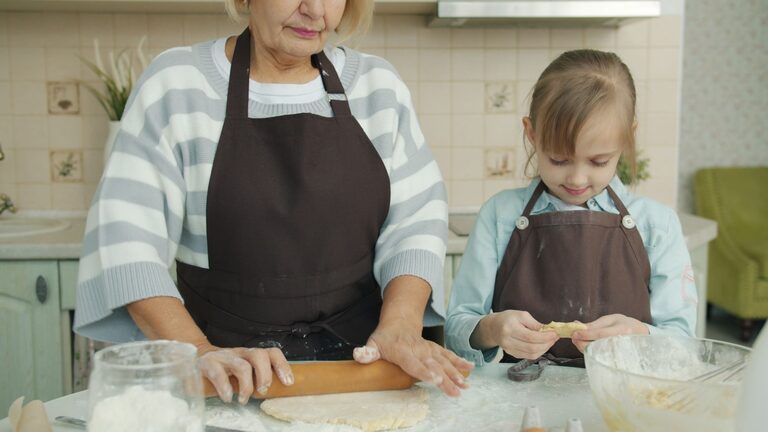
Family recipes are more than lists of ingredients and instructions. They are stories written in flour, spices, handwritten notes, and familiar aromas. For many women over 65, cooking has been a way to connect generations, welcome guests, celebrate milestones, and keep family memories alive.
Today, these women are teaching younger relatives the recipes they learned from parents, grandparents, neighbors, and friends. Some are sharing classic dishes exactly as they remember them. Others are adapting old favorites to fit modern kitchens, new schedules, and changing tastes.
Recipes That Carry Family Memories
A treasured family recipe often begins with a person and a place. It may bring back memories of a grandmother’s kitchen, a holiday table, or a summer afternoon spent preparing food together.
For many older women, the recipe itself is only part of the tradition. The important details may include:
– Who first made the dish
– When the family usually served it
– Which ingredients were locally available
– What tools were used
– How the recipe changed over time
– The stories connected to the meal
A handwritten recipe card can be especially meaningful. Notes in the margins may reveal personal touches, such as “add more cinnamon,” “use the large pan,” or “make this the night before.” These small instructions often help younger cooks understand that family recipes are meant to be lived with, not followed like rigid formulas.
Teaching More Than Measurements
Many experienced home cooks learned without measuring cups or written directions. They watched someone cook, tasted the food, and learned to recognize the right texture or color.
That kind of knowledge can be difficult to capture on paper. A recipe may say to add “a little” salt or cook something “until it looks right.” When teaching the next generation, women often explain these details through demonstrations.
Learning by Watching
A younger family member might learn to prepare a dish by:
- Gathering the ingredients together
- Watching the cooking process from start to finish
- Practicing one step at a time
- Tasting and adjusting the dish
- Writing down helpful observations
- Preparing the recipe independently
This hands-on approach builds confidence. It also creates time for conversation, which may be just as important as the finished meal.
A grandmother might explain why onions should be cooked slowly, how dough should feel before it is rolled, or why a certain dish is prepared the day before serving. These lessons are practical, but they also reflect years of experience.
Classic Dishes With Personal History
The recipes being passed down vary widely from family to family. Some are linked to cultural traditions, while others began as simple meals made with inexpensive ingredients.
Common examples include:
– Homemade soups and stews
– Breads, biscuits, and rolls
– Fruit pies and cakes
– Casseroles for large gatherings
– Preserves, jams, and pickles
– Family holiday dishes
– Regional specialties
– Sauces and spice blends
A basic recipe can become a signature family dish through small changes. One cook may add a favorite herb, another may use a different type of cheese, and a third may change the cooking method. Over time, each version becomes part of the family story.
Some women are careful to preserve the original recipe, while others enjoy showing younger cooks how to make it their own. Both approaches help keep the tradition active.
Adapting Recipes for Modern Kitchens
Passing down a recipe does not always mean preparing it exactly as previous generations did. Kitchen equipment, ingredient choices, and schedules have changed. Many older women are comfortable adjusting family recipes while keeping their essential character.
For example, a dish once prepared in a large oven may now be made in a slow cooker or countertop appliance. A handwritten recipe may be converted into clear measurements. A long preparation process may be divided into steps that fit a busy weekday.
These changes do not necessarily weaken the tradition. They can make it easier for younger family members to continue cooking the dish.
Keeping the Important Parts
When adapting a family recipe, cooks may choose to preserve:
– The main flavor
– The familiar aroma
– The traditional serving occasion
– A special preparation step
– The story behind the dish
– The way family members gather to enjoy it
The goal is often to respect the past while making room for the present.
The Value of Cooking Together
Teaching a recipe can create a natural setting for family members to spend time together. A shared kitchen encourages conversation without requiring a formal gathering.
Older women may talk about their childhoods, early years of marriage, community events, or the first time they prepared a particular dish. Younger relatives can ask questions that might not come up during an ordinary visit.
Cooking together also gives families a chance to exchange skills. An older cook may teach how to shape dough or balance flavors, while a younger family member may help organize digital photos, create a video, or type the recipe into a shared document.
This exchange makes the tradition a two-way experience. Each generation contributes something useful.
Preserving Recipes for the Future
A family recipe can be lost if it remains only in someone’s memory. Fortunately, there are simple ways to preserve it.
Families can:
– Rewrite faded recipe cards
– Photograph original handwritten notes
– Record a cooking demonstration
– Ask questions about the recipe’s history
– Create a family cookbook
– Save recipes in a shared digital folder
– Add dates and names to each recipe
– Include photographs of the finished dishes
It is helpful to record more than the ingredient list. A short note about when the dish was served or who taught it can give future family members a stronger connection to the recipe.
If possible, invite several relatives to contribute. One person may remember the original story, while another may know a variation that became popular later.
Making Room for New Traditions
The next generation may not prepare every family recipe in the same way. Some recipes may be made only during holidays, while others become part of regular family meals. A few may be changed so they work with different ingredients or cooking methods.
What matters most is that the recipe continues to bring people together.
A family tradition can remain meaningful even when the details evolve. The familiar dish may appear at a new table, prepared by someone who learned from a video instead of a kitchen demonstration. It may be served alongside new favorites. It may even inspire a completely different recipe.
The work of these women is not simply about preserving food instructions. It is about passing along patience, creativity, hospitality, and a sense of belonging. Every recipe shared with the next generation carries a reminder of where a family has been—and an invitation to keep the story going.