 By
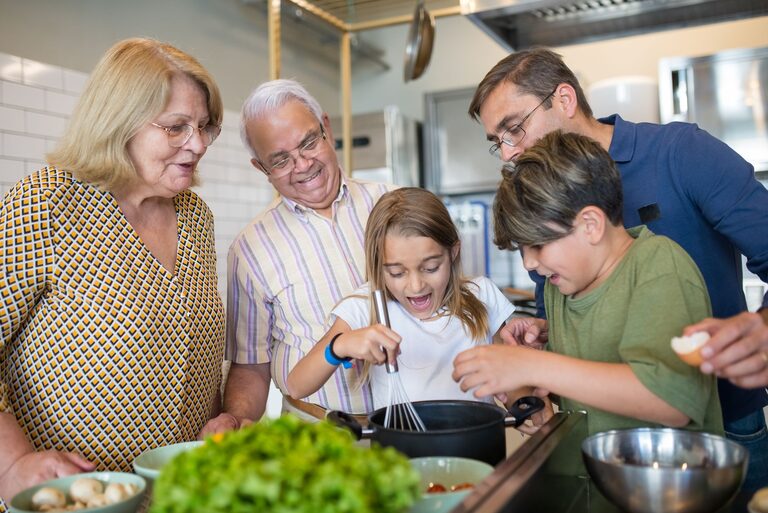
Cooking is more than preparing a meal. It can be a creative activity, a way to connect with others, and an invitation to explore traditions from around the world. Cooking classes designed for older adults are bringing these benefits together by introducing participants to global flavors in a welcoming, relaxed setting.
From fragrant herbs in Southeast Asian dishes to colorful vegetables in Mediterranean recipes, these classes help participants discover new ingredients and cooking techniques. They also create opportunities for conversation, confidence building, and shared enjoyment.
A welcoming approach to learning
Cooking classes for older adults work best when they are designed around comfort, accessibility, and participation. Instructors may provide clear demonstrations, printed recipes, well-organized workstations, and enough time for each step.
The goal is not to rush through a complicated menu. Instead, classes often focus on a few practical techniques that can be used again at home. Participants might learn how to prepare a flavorful sauce, balance spices, shape dough, or combine fresh ingredients in a new way.
A thoughtful class may include:
– Easy-to-follow recipes with large, readable print
– Clearly labeled ingredients and tools
– Demonstrations before hands-on activities
– Seating options and comfortable work areas
– Time for questions and conversation
– Opportunities to taste and share the finished dishes
This supportive structure allows people with different cooking backgrounds to participate. Some attendees may be experienced home cooks, while others may be learning a recipe for the first time.
Exploring flavors from around the world
Global cooking classes introduce participants to the variety of ingredients, methods, and traditions found in different regions. Each lesson can offer a small window into another food culture.
Mediterranean favorites
A Mediterranean-themed class might feature dishes such as vegetable-stuffed peppers, lentil salad, flatbread, or lemon-herb chicken. Participants can learn how ingredients such as olive oil, garlic, parsley, tomatoes, and beans create fresh and satisfying flavors.
These recipes also demonstrate how simple ingredients can work together. A basic grain or vegetable dish can become more interesting with a bright dressing, toasted spices, or fresh herbs.
East and Southeast Asian dishes
A class focused on East or Southeast Asia could explore rice bowls, vegetable stir-fries, spring rolls, or noodle dishes. Participants may learn how to prepare a balanced sauce using ingredients such as soy sauce, ginger, sesame oil, lime, or chili.
These lessons often highlight the importance of preparation. Chopping ingredients before cooking, arranging them in order, and using high heat for a short time can make the cooking process smoother and more enjoyable.
Latin American recipes
Latin American cooking offers a wide range of colors, textures, and aromas. A class might include black bean soup, vegetable tacos, corn cakes, fresh salsa, or rice dishes.
Participants can explore how corn, beans, peppers, citrus, and herbs are used in different combinations. They may also discover that familiar ingredients can be prepared in new ways, making global recipes approachable and adaptable.
Middle Eastern and North African flavors
Recipes from the Middle East and North Africa often feature grains, legumes, vegetables, dried fruit, herbs, and warm spices. A class might teach participants how to make hummus, couscous, roasted vegetables, or a fragrant stew.
These dishes can introduce spices such as cumin, coriander, cinnamon, and paprika. Instructors can explain how to use small amounts of spices to build flavor without making a dish overwhelming.
More than a recipe lesson
The social experience is an important part of a cooking class. Participants work in pairs or small groups, compare techniques, and share stories about foods they have enjoyed over the years.
Food often brings back memories of family gatherings, travel, holidays, and local traditions. A global cooking class can encourage people to talk about their own food experiences while learning about another culture.
A class might include time for:
– Sharing family recipes
– Discussing favorite travel foods
– Learning the history behind a dish
– Tasting unfamiliar ingredients
– Eating together after the cooking is complete
This informal interaction can make the class feel less like a formal lesson and more like a community gathering.
Building confidence in the kitchen
Trying an unfamiliar recipe can feel challenging, especially when it includes ingredients or techniques that are new to participants. A well-planned class breaks the process into manageable steps.
Instructors can demonstrate each technique slowly and explain why it matters. For example, they might show how to toast spices, knead dough, slice vegetables, or adjust the texture of a sauce.
Participants also benefit from learning substitutions. If a recipe calls for an ingredient that is difficult to find, the instructor can suggest a familiar alternative. This helps cooks feel more comfortable adapting recipes to their preferences and available ingredients.
The result is not perfection. It is the confidence to try something new and make the recipe one’s own.
Making global recipes approachable
Some international dishes may appear complex because of their long ingredient lists or unfamiliar names. Classes can make them more accessible by focusing on the essential elements.
Instructors might:
- Introduce only a few new ingredients at a time.
- Explain unfamiliar terms in plain language.
- Demonstrate basic techniques before combining them.
- Offer optional ingredients for extra flavor.
- Provide make-ahead tips for easier preparation at home.
Recipes can also be adjusted to fit different cooking spaces and equipment. A dish traditionally prepared with specialized tools may have a simple home-kitchen alternative.
The class should preserve the character of the dish while recognizing that every cook has different resources and preferences.
A chance to keep learning
Cooking classes support lifelong learning by combining practical skills with creativity. Every new recipe can lead to another question: How is this ingredient used in another country? What other vegetables would work here? Can the sauce be used with grains or noodles?
This curiosity encourages participants to continue exploring beyond the classroom. They may visit a local market, look for a new cookbook, or prepare a dish for friends and family.
Some programs also build a series around a theme, such as street foods, family meals, breads, soups, or seasonal ingredients. A series gives participants a reason to return and gradually expand their skills.
Bringing people and flavors together
Cooking classes designed for older adults show that learning new recipes can be enjoyable at any stage of life. By combining global flavors with clear instruction and a friendly atmosphere, these programs make the kitchen a place for discovery and connection.
Participants leave with more than a finished dish. They gain ideas to try at home, stories to share, and a deeper appreciation for the many ways people around the world gather around food.