 By
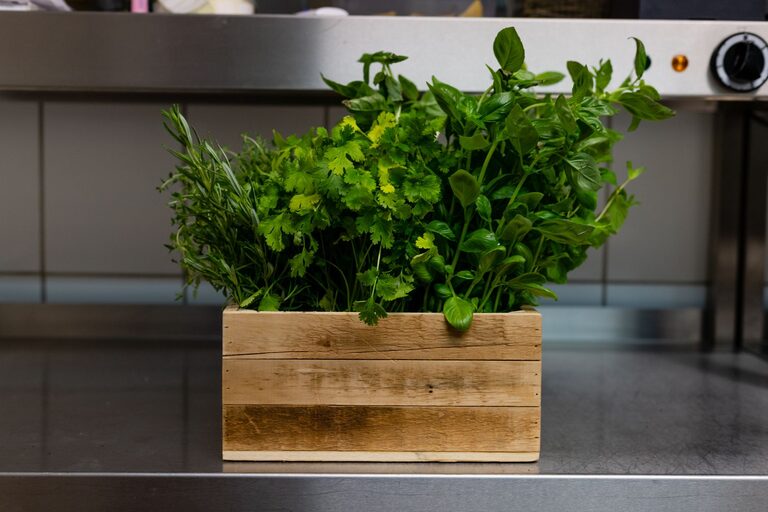
Fresh herbs can change the way you cook. A few leaves of basil, a sprig of rosemary, or a handful of chives can add color and flavor to familiar meals. Growing herbs at home also makes it easier to experiment, because fresh ingredients are always close by.
You do not need a large backyard to start. Many herbs grow well in containers on a patio, balcony, windowsill, or sunny kitchen shelf. With a small selection of easy-care plants, you can turn everyday meals into opportunities to try something new.
Why Grow Herbs at Home?
Store-bought herbs can be useful, but fresh herbs from your own garden offer a few extra benefits. You can pick only what you need, which helps reduce waste. You also get to enjoy herbs at their freshest, when their aroma and flavor are strongest.
A home herb garden can also inspire more flexible cooking. Instead of planning every meal around a recipe, you can begin with what is growing and build a dish from there. A bowl of parsley might suggest a fresh sauce, while extra mint could become part of a refreshing drink or fruit salad.
Growing herbs also encourages seasonal habits. As plants change throughout the year, they can introduce new ingredients and ideas to your kitchen.
Start With Herbs You Enjoy
The best herbs for your garden are the ones you are most likely to use. Think about the flavors you already enjoy and the meals you prepare often.
Consider starting with:
– Basil: Great for pasta, pizza, salads, sandwiches, and sauces
– Parsley: Useful in soups, grain bowls, roasted vegetables, and dressings
– Chives: A mild onion flavor for eggs, potatoes, dips, and baked dishes
– Mint: A refreshing addition to fruit, drinks, yogurt, and salads
– Rosemary: Works well with roasted potatoes, vegetables, beans, and breads
– Thyme: Adds depth to soups, sauces, vegetables, and roasted dishes
– Cilantro: Brings a bright flavor to rice, beans, salsas, and fresh toppings
– Oregano: Pairs well with tomato-based meals, vegetables, and savory marinades
You do not need to grow all of these at once. Begin with two or three herbs that match your cooking style. This keeps gardening simple and gives you time to learn how each plant grows.
Use Herbs to Refresh Familiar Meals
One of the easiest ways to get creative with herbs is to add them to meals you already make. A small change can make a familiar dish feel new.
Breakfast Ideas
Fresh herbs can bring variety to simple breakfasts. Add chopped chives or parsley to scrambled eggs, omelets, or breakfast potatoes. Basil can be paired with tomatoes and soft cheese on toast. Mint can add a cool, fresh note to yogurt with fruit and granola.
For a quick savory topping, combine chopped herbs with a little olive oil, lemon juice, salt, and pepper. Spoon the mixture over eggs, toast, or roasted vegetables.
Lunch Ideas
Lunch is a good time to use herbs in fresh, uncooked dishes. Add parsley, cilantro, or mint to a grain bowl with vegetables and beans. Stir chopped basil into a tomato and cucumber salad. Chives can brighten tuna salad, egg salad, or a simple baked potato.
You can also make an easy herb spread by mixing soft cheese or plain yogurt with chopped herbs. Use it on sandwiches, wraps, crackers, or sliced vegetables.
Dinner Ideas
At dinner, herbs can add depth without requiring complicated preparation. Toss rosemary or thyme with potatoes and vegetables before roasting. Add basil to pasta just before serving. Stir parsley into rice, lentils, or soup for a fresh finish.
Herbs can also help turn basic ingredients into a complete meal. Combine cooked grains, roasted vegetables, beans, and a simple herb dressing. The result is flexible, satisfying, and easy to adjust based on what you have available.
Make Simple Herb-Based Sauces
Sauces and toppings are some of the easiest ways to use a large harvest. They can be prepared in small amounts and added to many different meals.
Try these simple combinations:
– Basil sauce: Blend basil with olive oil, garlic, grated cheese, and nuts, or use seeds for a different texture.
– Parsley dressing: Mix parsley with lemon juice, olive oil, salt, and pepper.
– Mint yogurt sauce: Stir chopped mint into plain yogurt with lemon juice and a pinch of salt.
– Chive butter: Mix chopped chives into softened butter and use it on bread, vegetables, or potatoes.
– Rosemary oil: Warm olive oil gently with rosemary, then use it to finish roasted vegetables or bread.
These sauces can be made in minutes and stored in the refrigerator for short-term use. They are useful when you want to add flavor without making a separate, complicated dish.
Pair Herbs With Everyday Ingredients
Learning a few simple pairings can make meal planning easier. You do not need to memorize strict rules. Start by matching an herb with ingredients that have similar flavor qualities.
– Basil pairs well with tomatoes, cheese, pasta, and summer vegetables.
– Rosemary works with potatoes, beans, mushrooms, and hearty vegetables.
– Mint complements peas, cucumbers, fruit, yogurt, and grains.
– Parsley fits almost any savory meal, including soups, salads, and roasted foods.
– Chives work well with eggs, potatoes, creamy dips, and mild cheeses.
– Cilantro pairs with beans, corn, rice, citrus, and fresh vegetables.
– Thyme complements carrots, squash, mushrooms, onions, and lentils.
When you are unsure, add a small amount first. You can always add more as you taste.
Let Your Garden Guide Weekly Meal Planning
A herb garden can become a helpful starting point for planning meals. At the beginning of each week, look at what needs trimming or harvesting. Then choose meals that use those herbs.
For example, a large basil harvest might inspire pasta, tomato sandwiches, or a fresh sauce. Extra parsley could be used in soup, a grain salad, and a lemony dressing. If mint is growing quickly, add it to drinks, fruit bowls, and yogurt sauces.
This approach reduces food waste and encourages variety. It also makes cooking feel more spontaneous because your garden provides a natural list of ingredients.
Harvest Herbs for the Best Flavor
Harvesting herbs correctly can support both flavor and plant growth. In general, pick herbs in the morning after any moisture has dried but before the day becomes hot. Use clean scissors or kitchen shears, and avoid removing too much at once.
For leafy herbs such as basil, parsley, and mint, trim stems just above a pair of leaves. This can encourage fuller growth. For woody herbs such as rosemary and thyme, snip the softer green stems rather than cutting deeply into the older, hard growth.
Use fresh herbs soon after harvesting for the brightest flavor. If you have more than you can use, store them carefully in the refrigerator or dry them for later.
Keep Experimenting
The most valuable part of herb gardening is the freedom to experiment. Try adding a different herb to a familiar recipe, or use two herbs together in a new way. Start with small amounts and take notes about combinations you enjoy.
You can also invite family members or friends to choose an herb for a meal. This turns cooking into a simple creative activity and may lead to unexpected favorites.
A small herb garden does more than provide ingredients. It encourages curiosity, reduces reliance on routine meals, and makes everyday cooking feel more personal. With a few plants and a willingness to try new combinations, your garden can become a steady source of fresh ideas for breakfast, lunch, dinner, and everything in between.